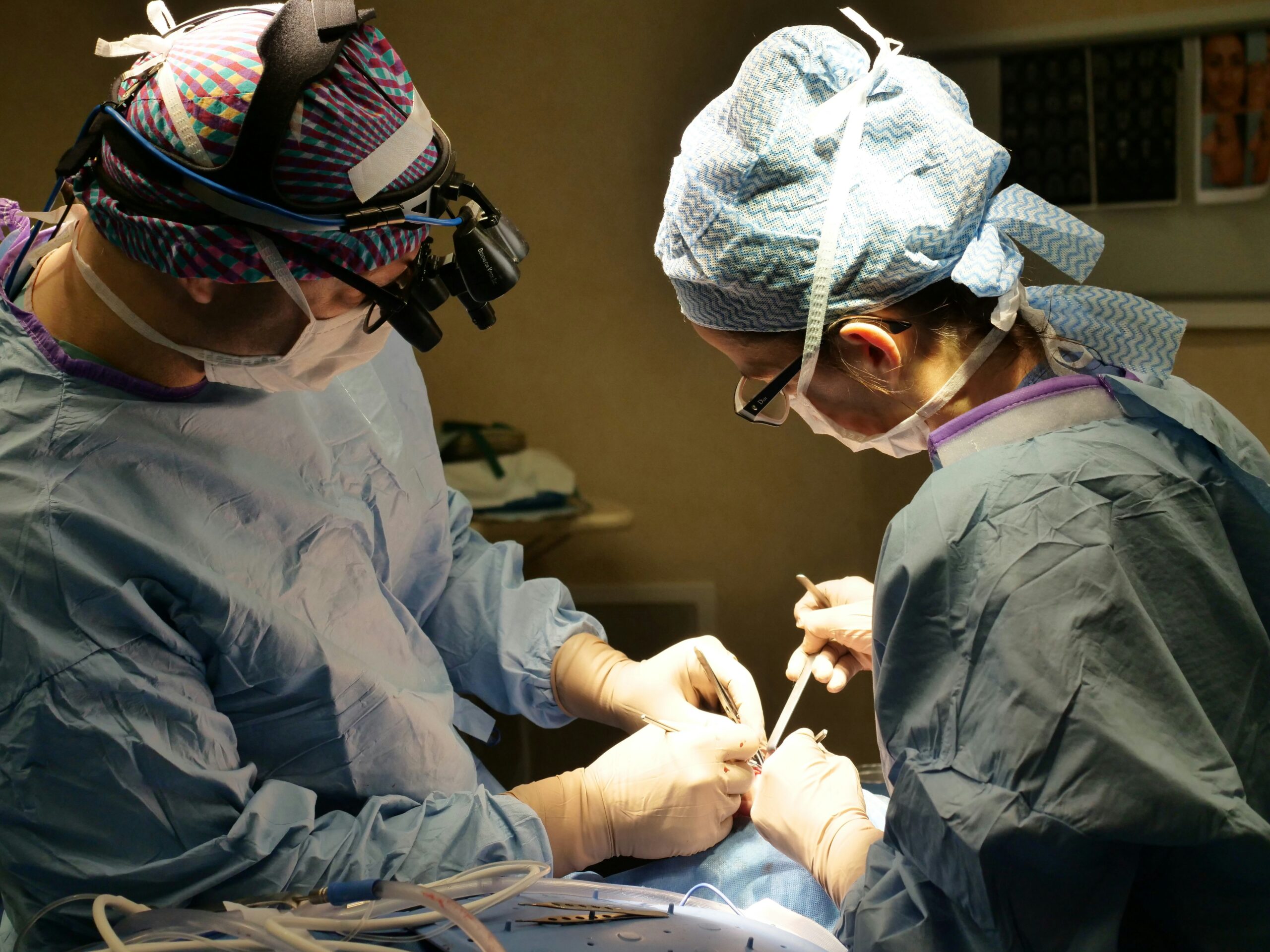
Minimizing scarring in dermatological surgery matters greatly to patients who want the best cosmetic outcome and a smooth healing journey. Because skin surgery often involves delicate areas of the face or body, patients want to prevent visible scars as much as possible. Dermatologists take several steps during and after surgery to support healthy healing. These steps also allow patients to feel more confident in their results. Although some scarring is natural, proper techniques, patient education, and high-quality aftercare significantly reduce long-term marks.
Understanding How Scars Form in Dermatological Surgery
Scars form when the skin repairs itself after an incision or injury. During this process, collagen fibers rebuild the damaged tissue. Because this new collagen grows quickly, the texture and appearance of the repaired skin often differ from those of the surrounding area. Dermatological surgery triggers this normal healing response, yet skilled surgeons guide the process to improve scar development.
Several factors influence scar formation. The patient’s age, skin tone, genetics, overall health, and wound-care habits directly affect healing. Additionally, the tension around the surgical site plays a significant role. When skin stretches or pulls near the incision area, the scar may widen or thicken. Dermatologists consider each of these factors when planning surgeries. They choose incision lines, sutures, and closure methods that support a smooth recovery and minimize scarring.
The Importance of Strategic Incision Placement
Expert dermatologists carefully plan incision placement, always choosing angles and locations that blend naturally with the skin’s lines. They often follow relaxed skin tension lines, which reduce stress on the wound and facilitate a smoother incisional healing. When an incision aligns with these natural lines, the scar becomes less noticeable over time.
Incisions placed in areas with strong muscle movements, such as around the mouth or eyes, require even more thoughtful planning. Surgeons use advanced techniques to prevent excessive tension. They may also use layered closures to strengthen deeper tissues and to avoid surface gaping. These steps create a healthier healing environment and greatly minimize scarring.
Advanced Suturing Techniques for Better Cosmetic Results
Suturing technique plays a decisive role in scar quality. Dermatologists use refined stitching techniques to bring skin edges together evenly. Precision closure reduces inflammation and creates a thin, uniform scar. They often use subcuticular sutures, which stay hidden beneath the skin. These sutures reduce track marks and support an appealing cosmetic outcome.
In some cases, surgeons choose absorbable sutures for deeper tissue layers. These sutures dissolve over time, providing continuous support during the early stages of healing. The upper layers receive non-absorbable sutures or medical adhesive to maintain surface alignment. When surgeons combine multiple closure methods, they strengthen wound stability and achieve smoother scars.
Reducing Tension to Support Natural Healing
Skin tension influences how scars mature. Excessive pulling, stretching, or movement around the incision increases the chance of thicker or wider scars. To counteract this, dermatologists use tension-reducing techniques during surgery. They may lift surrounding tissues, redistribute pressure, or create layered closures that support the wound from deep within.
Patients also help reduce tension by following aftercare instructions. They may need to avoid heavy exercise, sudden movements, or facial expressions that strain the surgical area. Consistent support throughout the healing period helps the scar settle cleanly and evenly.
Postoperative Care That Improves Cosmetic Outcomes
Aftercare plays an essential role in minimizing scarring. Patients contribute directly to their healing success, and proper wound care significantly affects the final appearance of a scar. Keeping the wound clean, moist, and protected helps prevent infection and encourages healthy tissue growth.
Moist wound-healing techniques, such as applying petroleum jelly or dermatologist-recommended ointments, help keep the skin hydrated. Hydration prevents crusting and allows new skin cells to regenerate more efficiently. Silicone gels and sheets also offer impressive results. They reduce redness, flatten raised scars, and improve elasticity. When patients use them consistently, they see noticeable improvements in their surgical outcomes.
Sun protection matters as well. UV exposure darkens scars and prolongs healing. Patients should use sunscreen daily and avoid direct sunlight during early recovery. With proper protection, the scar fades more evenly and blends better with the surrounding skin.
Laser and Light-Based Therapies for Scar Refinement
Modern dermatology offers advanced treatments that further minimize scarring. Laser therapy works well for new and mature scars, and it encourages collagen remodeling. Fractional lasers stimulate deeper tissue repair while preserving the surrounding skin. They improve texture, reduce discoloration, and refine the scar’s overall appearance.
Pulsed dye lasers target redness by calming visible blood vessels within the scar. These treatments help scars fade faster and look less inflamed. Dermatologists often recommend a combination of laser therapies based on the scar type, the patient’s skin tone, and the healing stage. These treatments support outstanding cosmetic outcomes when paired with strong surgical techniques.
Additional Treatments That Enhance Scar Appearance
Many dermatologists use microneedling, chemical peels, and steroid injections to refine surgical scars when needed. Microneedling stimulates natural collagen production and softens raised scars. Chemical peels smooth surface irregularities and lighten discoloration. Steroid injections reduce the thickness of hypertrophic scars by reducing inflammation.
When patients follow a personalized scar management plan, they experience smoother skin and greater confidence. Each treatment supports ongoing improvement and blends the scar with the surrounding tissue.
Patient Education as a Foundation for Scar Prevention
Dermatologists always educate patients thoroughly because informed patients heal better. They learn how to care for their wounds, protect their skin, and avoid habits that interfere with healing. This guidance empowers patients to actively participate in scar prevention when they understand why specific steps matter—such as limiting movement, applying silicone, and protecting from sunlight—they remain consistent in their care.
Minimizing scarring in dermatological surgery requires skill, strategy, and collaboration between patient and physician. Careful incision placement, advanced suturing techniques, tension-reducing methods, and thoughtful aftercare all contribute to excellent healing. When combined with modern laser treatments and patient education, these approaches transform the healing process and produce smoother, more natural-looking scars. Dermatological surgery continues to advance, and the focus on scar prevention ensures that patients enjoy better cosmetic outcomes and long-lasting confidence.